
"In 10 sessions you will feel the difference, in 20 you will see the difference, and in 30 you will have a whole new body." The line is usually credited to Joseph Pilates. If you come two or three times a week, 30 sessions is roughly three months. The numbers vary from person to person, but the order the changes come in matches the quote fairly well. And people who don't know that order often quit in the second month.
In the first month, your body starts talking to you
For the first few weeks, just remembering the names of the exercises is a lot. Then one day you feel your breath moving out into the sides of your ribs, and you start to notice your pelvis tilting and coming back to center. You look the same, but you catch yourself saying things like "My left side can't do this as well" or "My lower back took over first that time." That's the first change. Before you can change your body, you have to be able to read it.
The second month is quiet
Not much visible happens in the second month. The equipment wobbles a little less in the same exercise, and you sway a little less when you stand on one leg. That's about it. Your muscles haven't suddenly grown. Your nervous system is learning to use the right muscles at the right moment. The problem is that you can't see this in the mirror. So this is when the thought "I'm doing it, but nothing's really changing" comes up most often.
In the third month, daily life notices first
Around the third month, the changes show up outside of class first. Your lower back is less stiff when you stand up after sitting for a long time, your knees ache less on the stairs, and your shoulders look a little different in photos. The number on the scale may not have moved. That's because what Pilates changes first isn't your weight, but the way you hold your body upright and use it.
Of course, you might reach three months and find that nothing has changed. If you come once a week, you spend half of every session just getting back the feel from last time. If you do the same exercises at the same intensity for three straight months, your body has no reason to keep changing. There's also the fact that class takes two or three hours a week, while you spend dozens of hours sitting at a desk. People who now and then recall the pelvis and shoulder positions they learned in class while sitting usually progress faster.
Record your starting point in the first week
The best way to check your progress is to record where you started. In the first week, take a side-view photo from the same spot and the same angle, and write down the exercise you found hardest. Try that same exercise three months later, and you'll get a clearer answer than any number. Once you know that some things change before the mirror shows them, even the quiet second month becomes easier to get through.
At Balance On Pilates Hanam
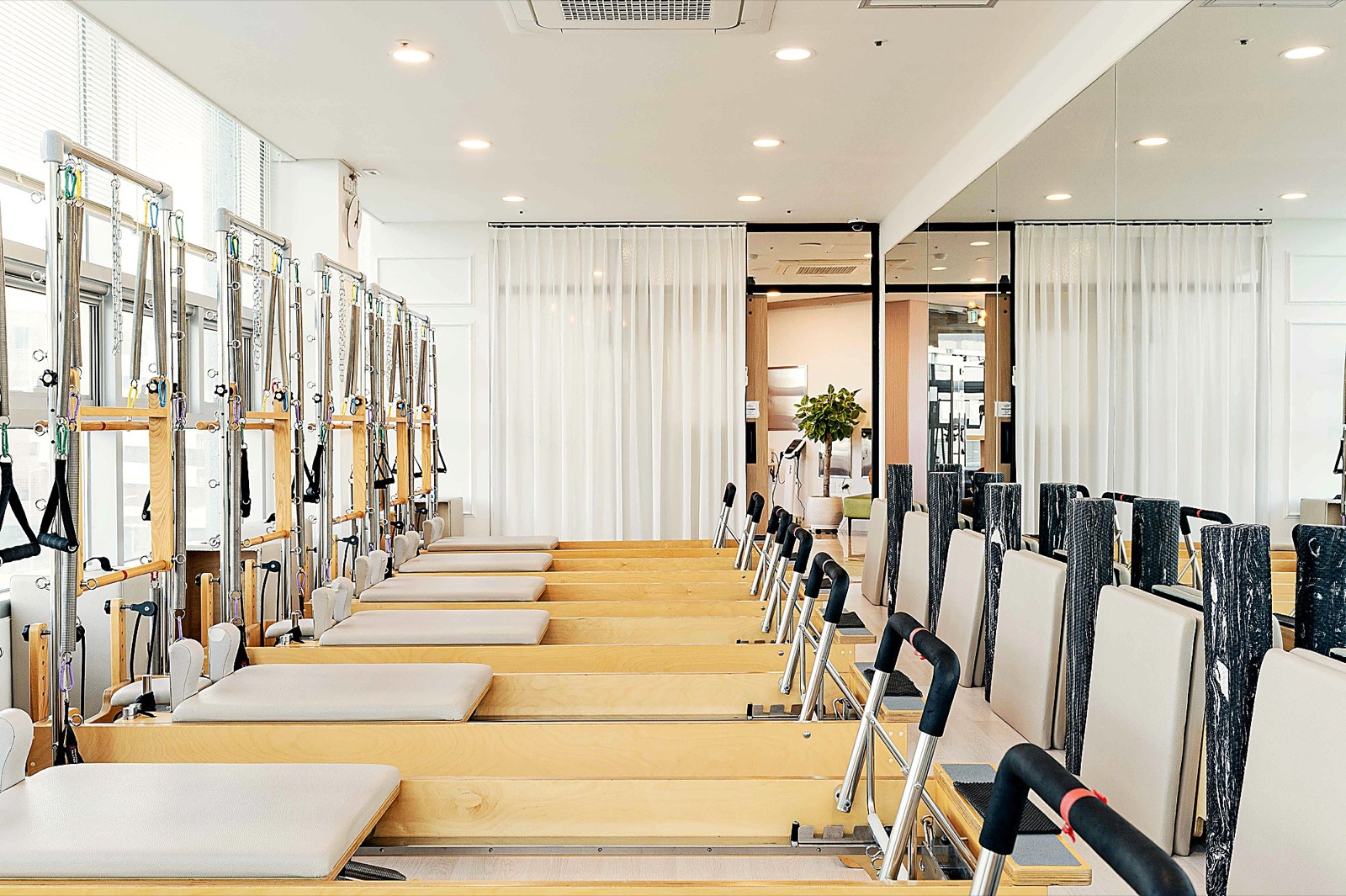
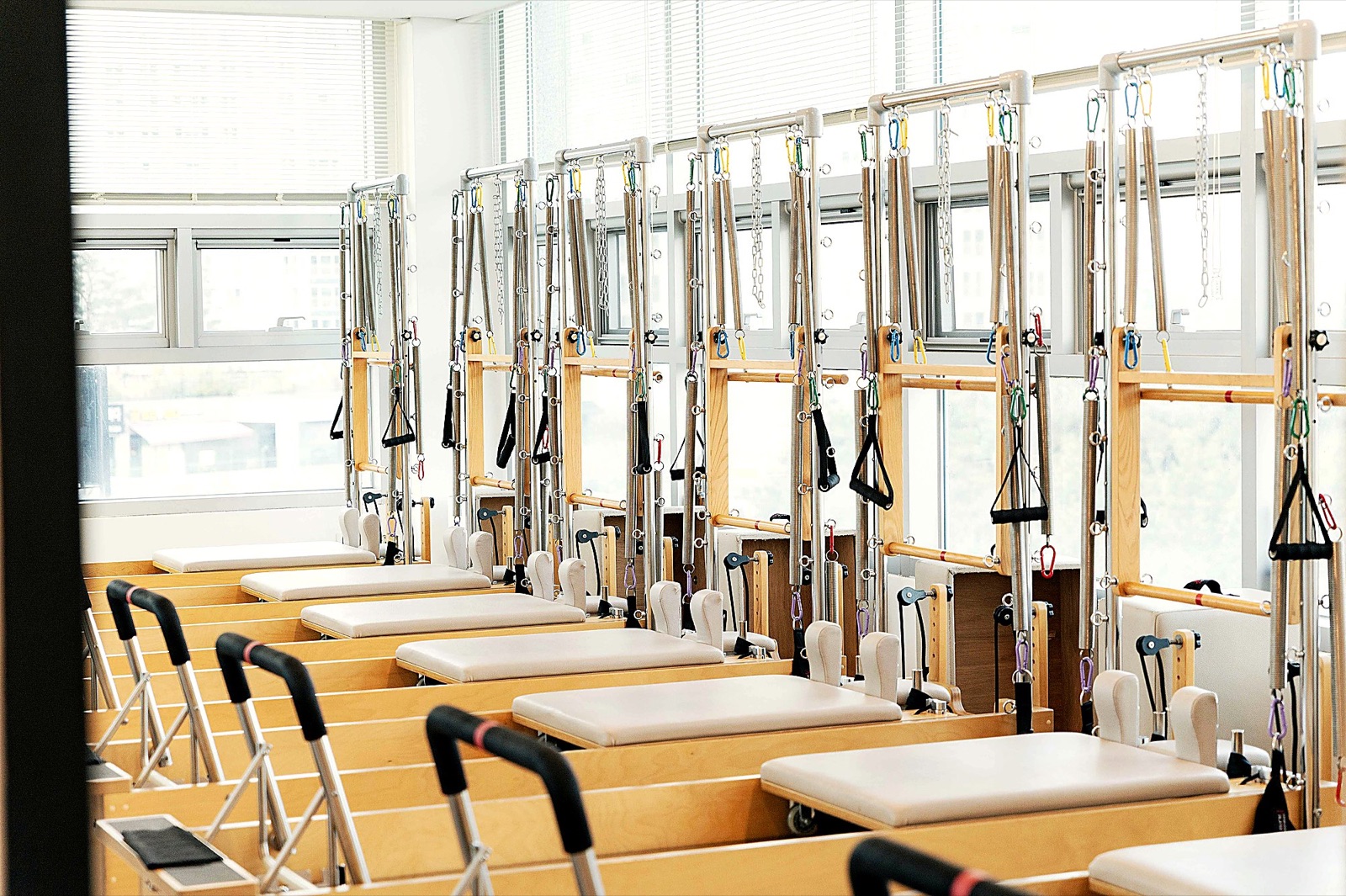
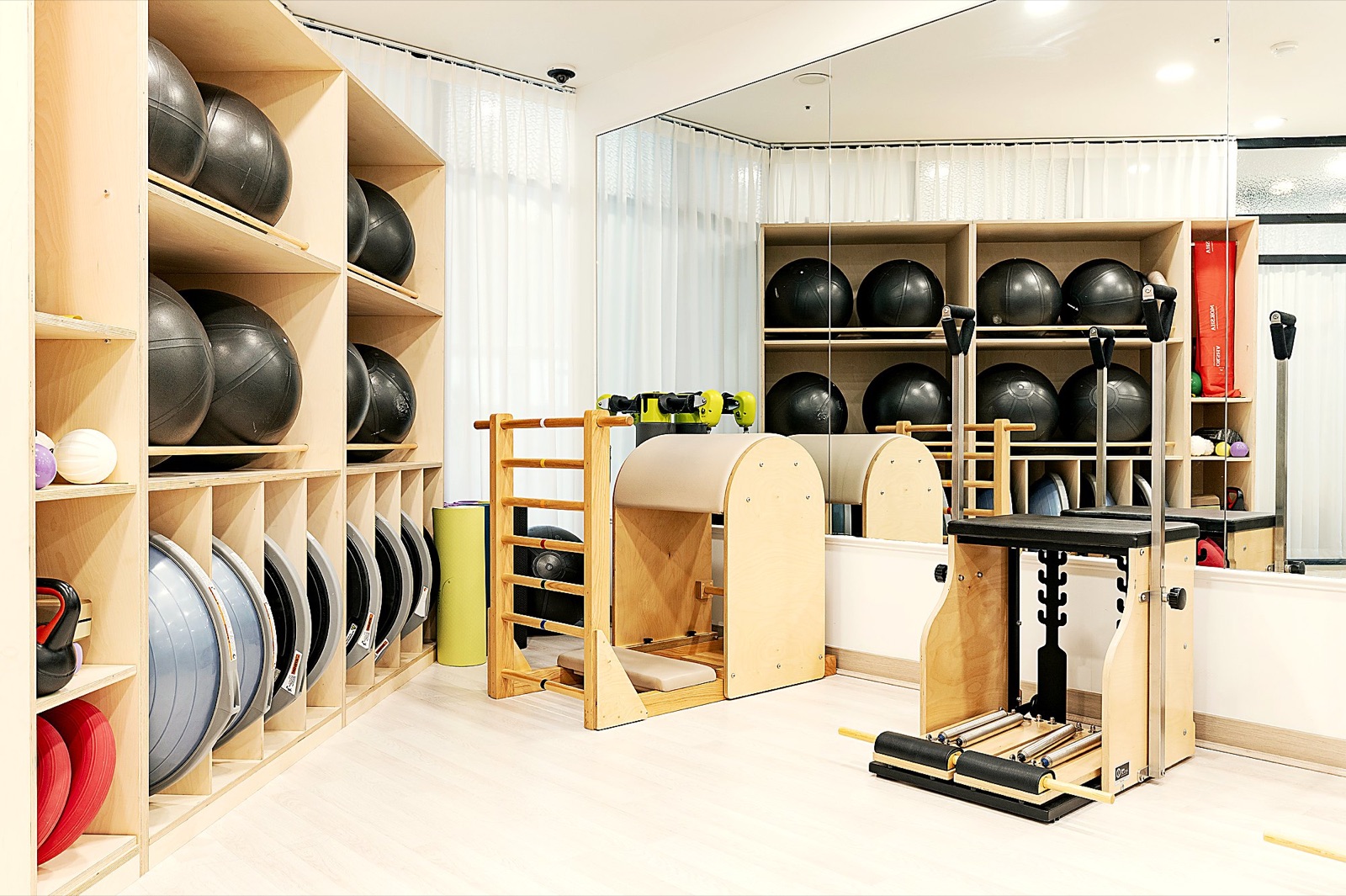
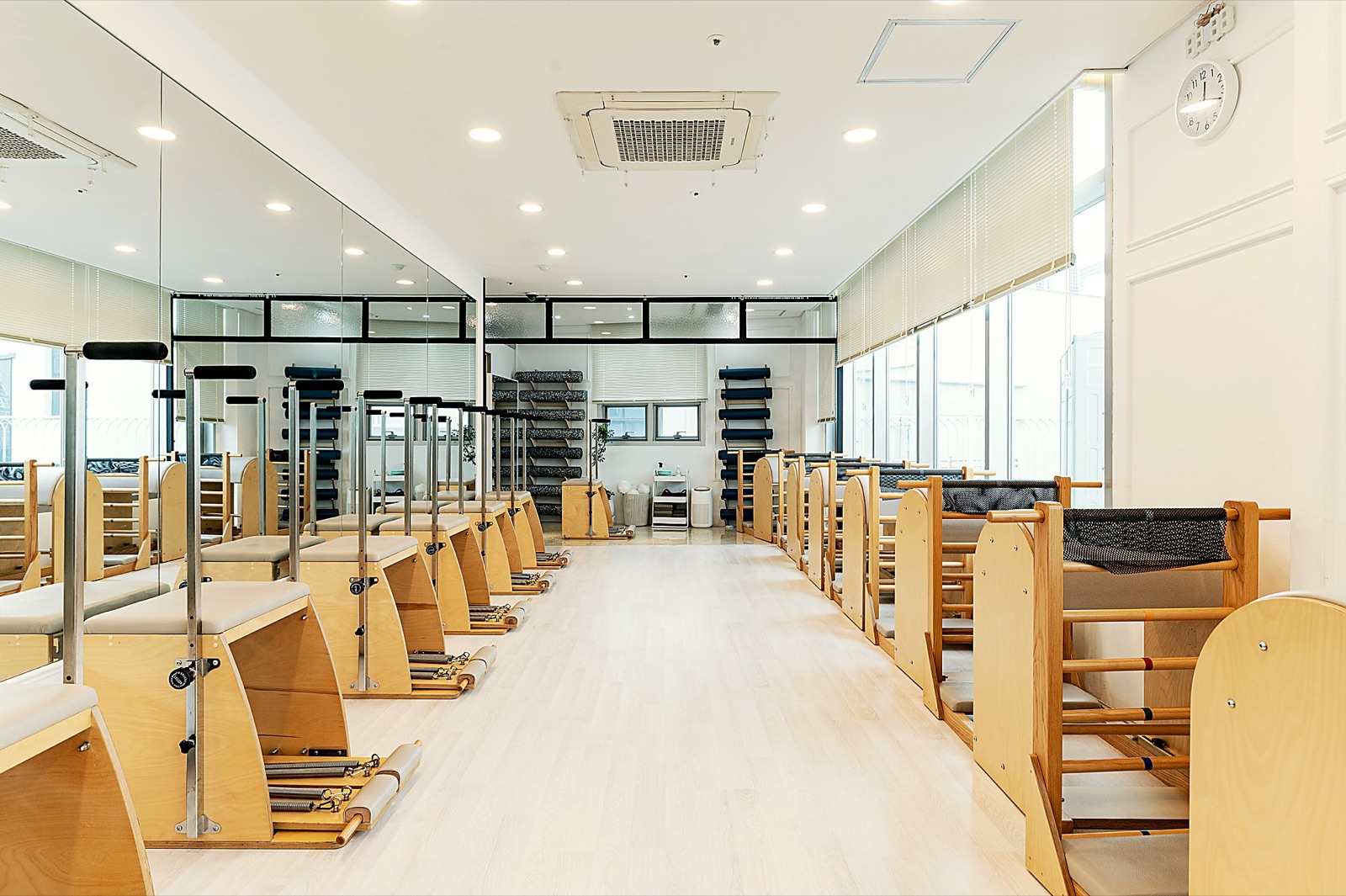
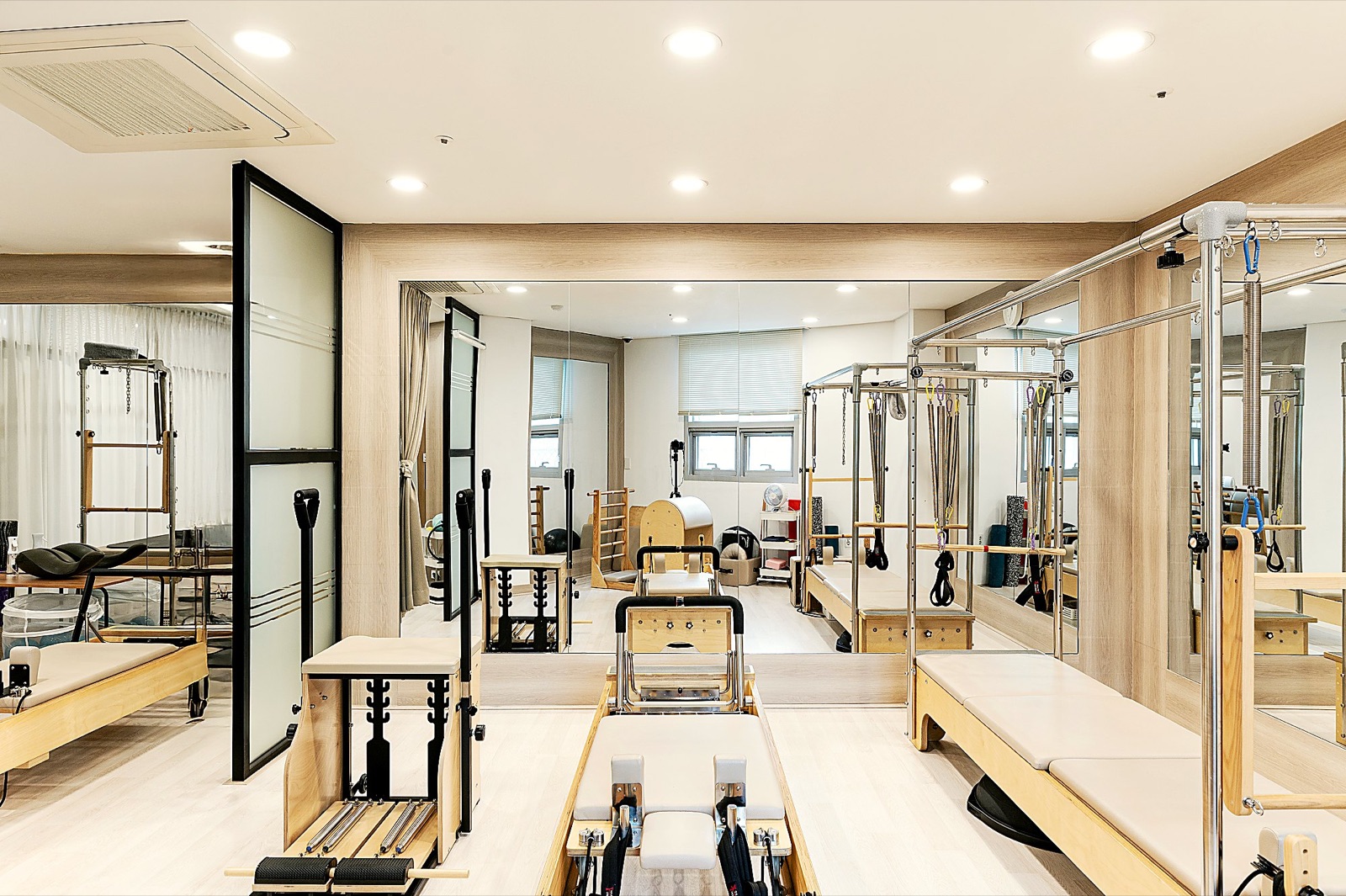
At Balance On Pilates Hanam, your first consultation is with our director, who majored in Pilates. They look at your posture and movement, daily habits and fitness goals, and do a body alignment analysis. That gives you a starting point to compare against three months later. We offer 1:1 private lessons, 2:1 duet lessons and group classes of up to 8 people, so you can mix and match to fit 2–3 sessions a week into your schedule.